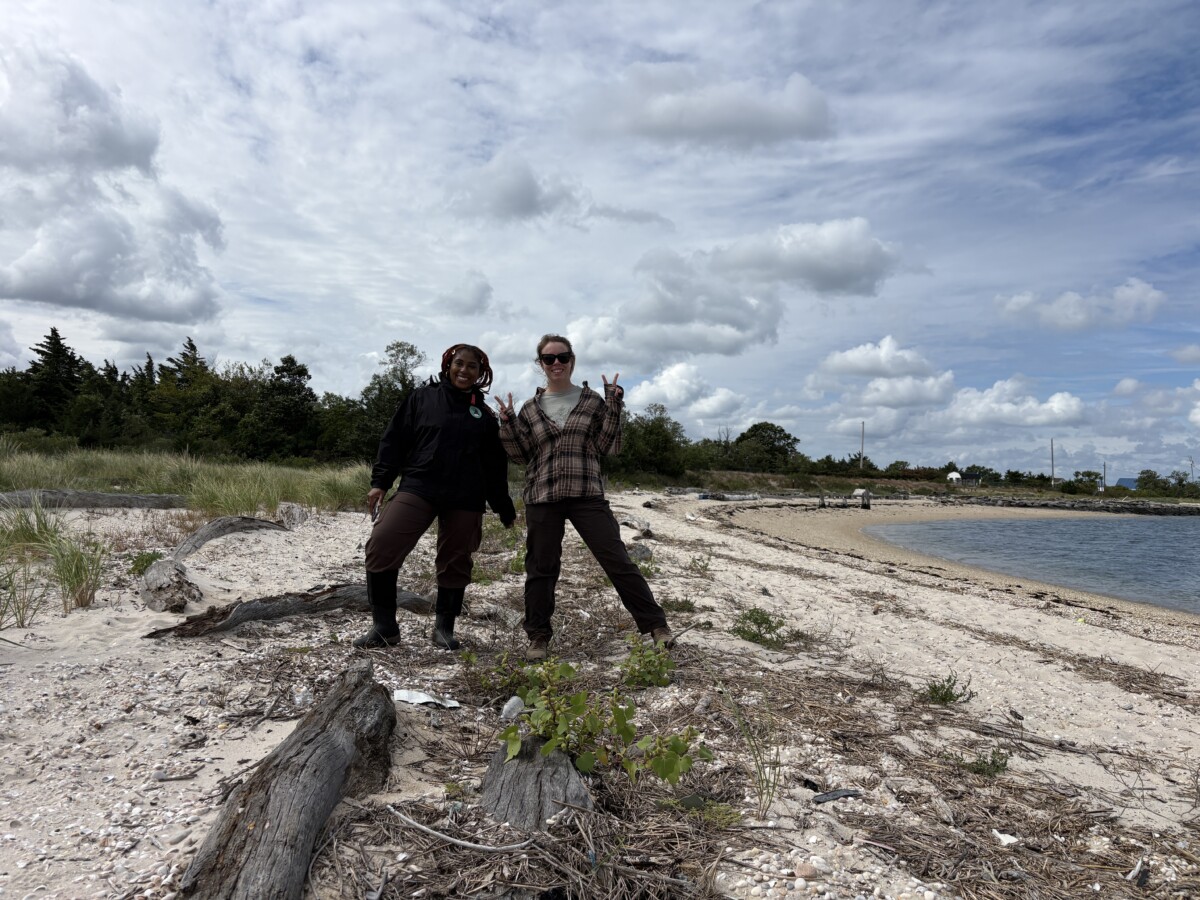
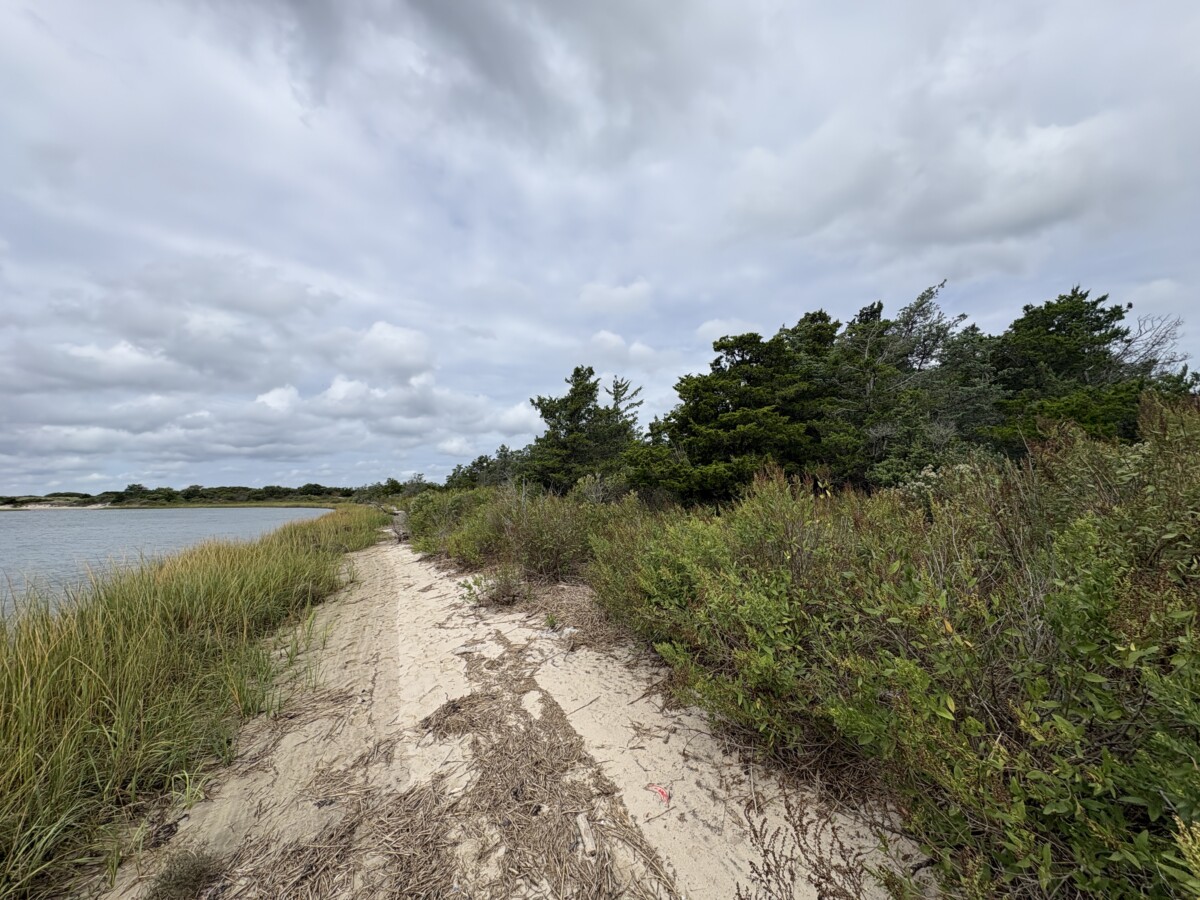
Looking out over the Long Island Sound, wind buffeted our faces as our crew traversed the shoreline looking for an invasive plant. The leader of our pack stayed focused, nose to the ground, before turning around to confirm – that plant isn’t here. After a brief game of rewarding fetch, we were on again to search for perennial pepperweed (Lepidium latifolium), led by the conservation dogs team with the New York – New Jersey Trail Conference. As LIISMA looks back on another great season of invasive species work, we wanted to give an extra spotlight to this fun and impactful project that helped us better understand the extent of this perennial pepperweed, one sniff at a time.

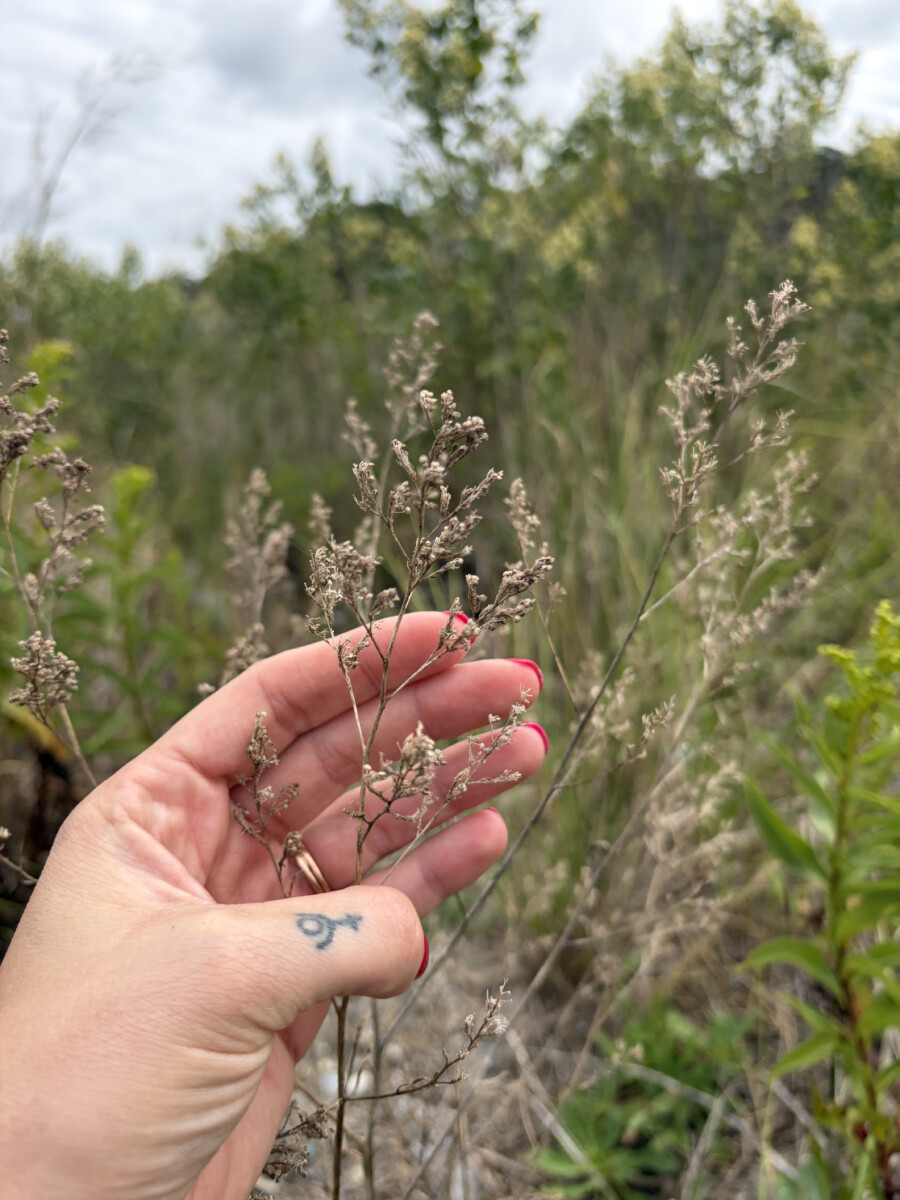
If you haven’t heard of perennial pepperweed, you’re in good company – this invasive plant from Eurasia is not yet widespread on Long Island. Until recently, this plant was primarily known in one location in Brookhaven where it has been under management for several years. As of 2026, this species has since been documented farther west in Huntington and east in Mattituck, raising concerns that it may be spreading to additional suitable habitats along the North Shore.
Though it is not yet widespread in our region, its impacts are clear: Perennial pepperweed is an invasive plant that can grow aggressively in wetland and coastal habitats. When it forms dense stands, it can displace native plants and alter the function of sensitive habitats.
We know that early detection is especially important for emerging invasive species, so that we can get ahead of these plants before they become widespread. But where else should we look for it? Thanks to a habitat suitability map developed by LIISMA, we could identify likely areas based on the species preferences on where it likes to live – near tidal wetlands, on low slopes, and in areas of moderate disturbance, among other factors.
This helped us narrow down on nine priority survey areas on the North Shore, including West Meadow Beach and Cedar Beach in Brookhaven, Caumsett State Park, Nissequogue State Park, Sunken Meadow State Park, McAllister County Park, Short Beach and Long Beach in Smithtown, and Crab Meadow in Huntington.
This week of surveying wouldn’t have been possible without our four-legged reinforcements. The Dogs for Invasive Species Control (DISC) program uses specially trained dogs that can detect the scent of target invasive plants. Their ability to systematically search areas can help conservation professionals locate plants that might otherwise be difficult to find. This year, the dogs team visited Long Island for the first time with their noses turned towards perennial pepperweed.

Professional handlers Arden, Brenna, and Addy worked with trained conservation dogs Lettie and Stevie to sniff out this emerging invasive species, with an aim to help us learn where this species is present and absent. The dogs team began their on-site training at West Meadow Beach, using plenty of rewards and play to positively reinforce when the dogs successfully alerted us of the plant. With enough practice, the dogs caught on and were ready to move to new locations where the habitat was suitable but the plant had not been observed.
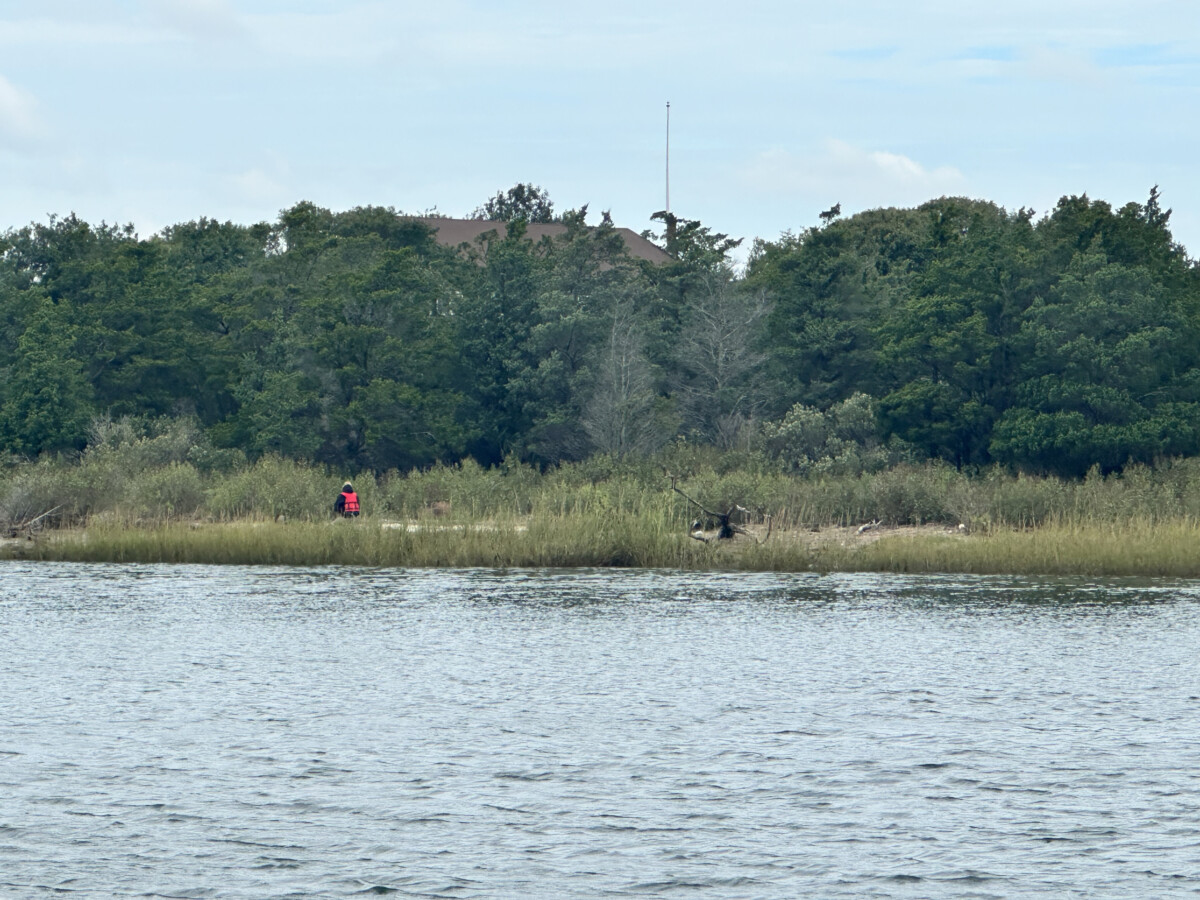
After a week of visits with two teams, hours of sniffing, and several miles of shoreline covered, we’re fortunate to say that the dogs did not detect perennial pepperweed in any of the areas where it was not previously reported. This makes us confident to move forward with management at the sites we do know in Huntington and Mattituck, and continued progress in Brookhaven.
To finish off the week, the conservation dogs team demonstrated their skills at LIISMA’s Fall Partners Meeting. With samples of perennial pepperweed leaves hidden in a garden, partners watched as the dogs darted around. Handler Arden watched closely, and pointed out when dog Lettie swished her tail in a different way that signaled she caught a scent. Moments later, Lettie circled around the base of a shrub where the sample was hidden, looking expectantly at Arden for a reward.
To us, this project shows early detection work at its finest. To the dogs, it’s all one big game of fetch waiting to happen.